




CILLOU PILLOW | What you need to know
Anti-wrinkle pillow
What is an anti-wrinkle pillow?
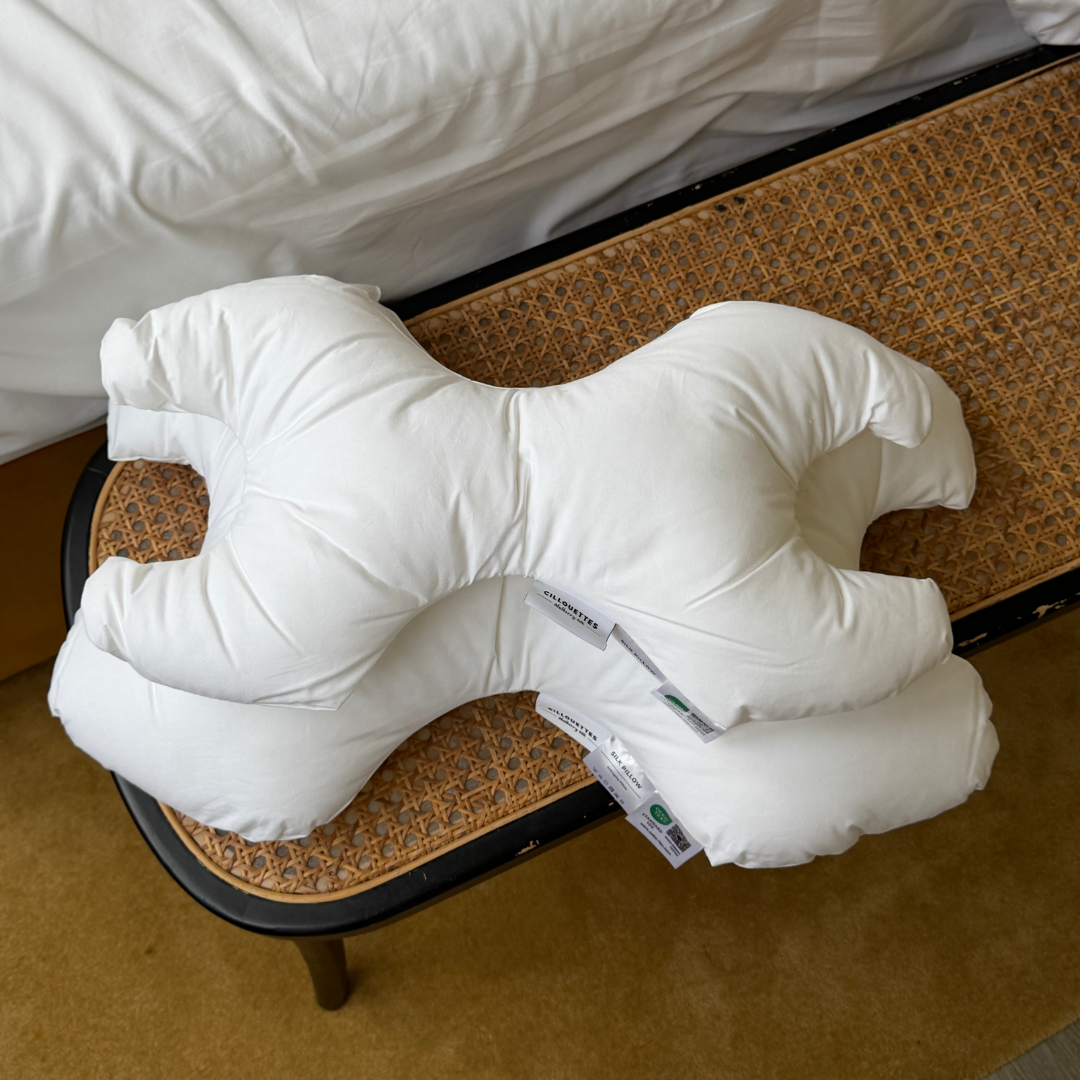
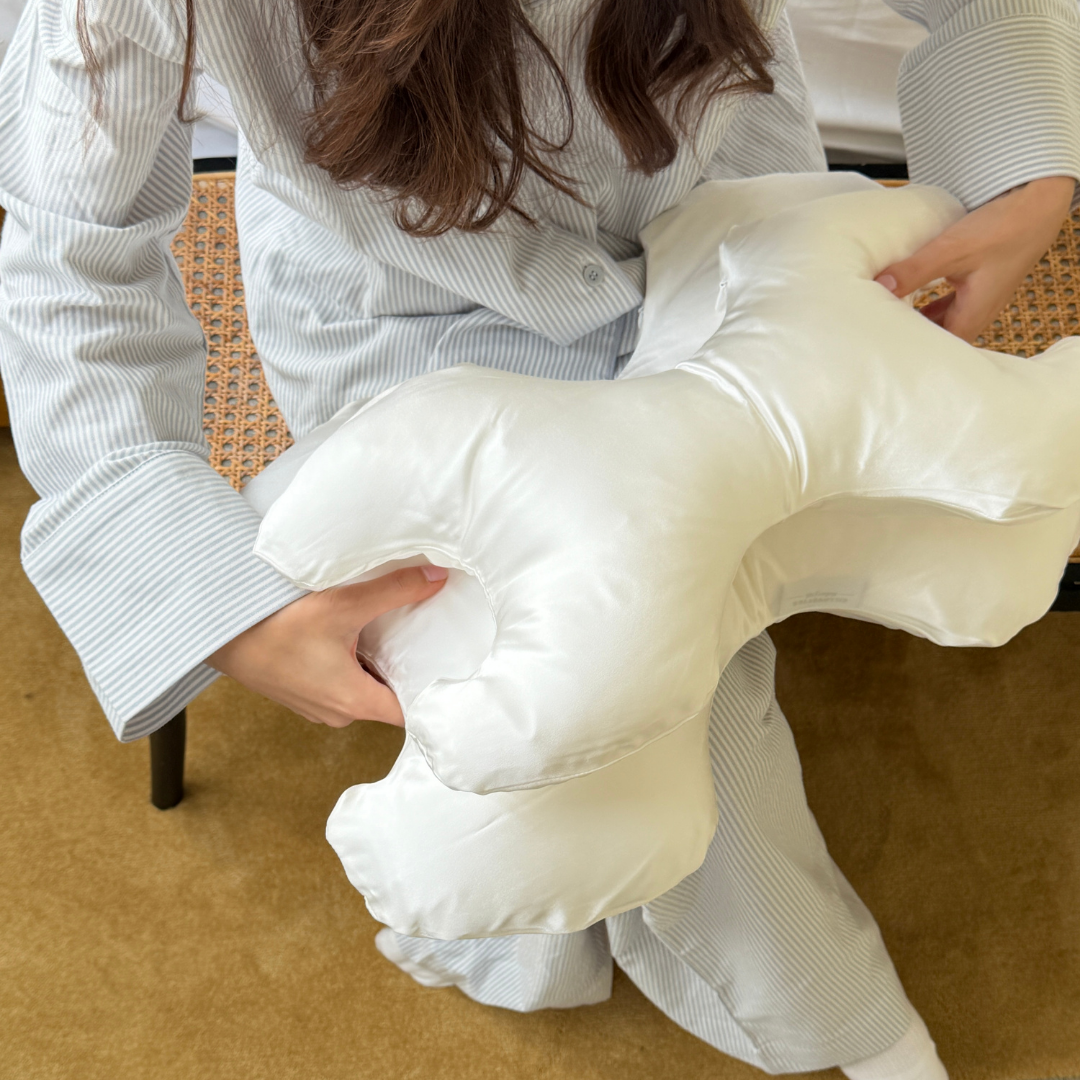
Wrinkles are an inevitable part of aging, but there are steps you can take to help reduce their appearance. One of the latest innovations in wrinkle prevention is an anti-wrinkle pillow. This type of pillow is designed to help prevent the formation of sleep wrinkles, which are caused by repeated pressure and friction between the skin and a pillow while you sleep.
What are sleep wrinkles?
Sleep wrinkles are an increasingly common concern for people of all ages, especially those experiencing premature facial aging - but also for people who want to prevent or delay facial aging. These lines and creases can form on the face as a result of repeated pressure against the skin while you sleep. Although they may seem like a minor problem, we all know that facial wrinkles can have a major impact on your appearance, self-confidence, and radiance.
Sleep wrinkles are lines and creases that form on the face because the skin is pressed against a pillow or another surface during sleep. Unlike wrinkles that develop due to aging or sun damage, sleep wrinkles are caused by repeated strain on the skin as it is pressed against a surface for several hours every night.
Where on the face do sleep wrinkles occur?
Ordinary wrinkles can occur anywhere on the face. Typically, ordinary wrinkles appear on the forehead and around the mouth.
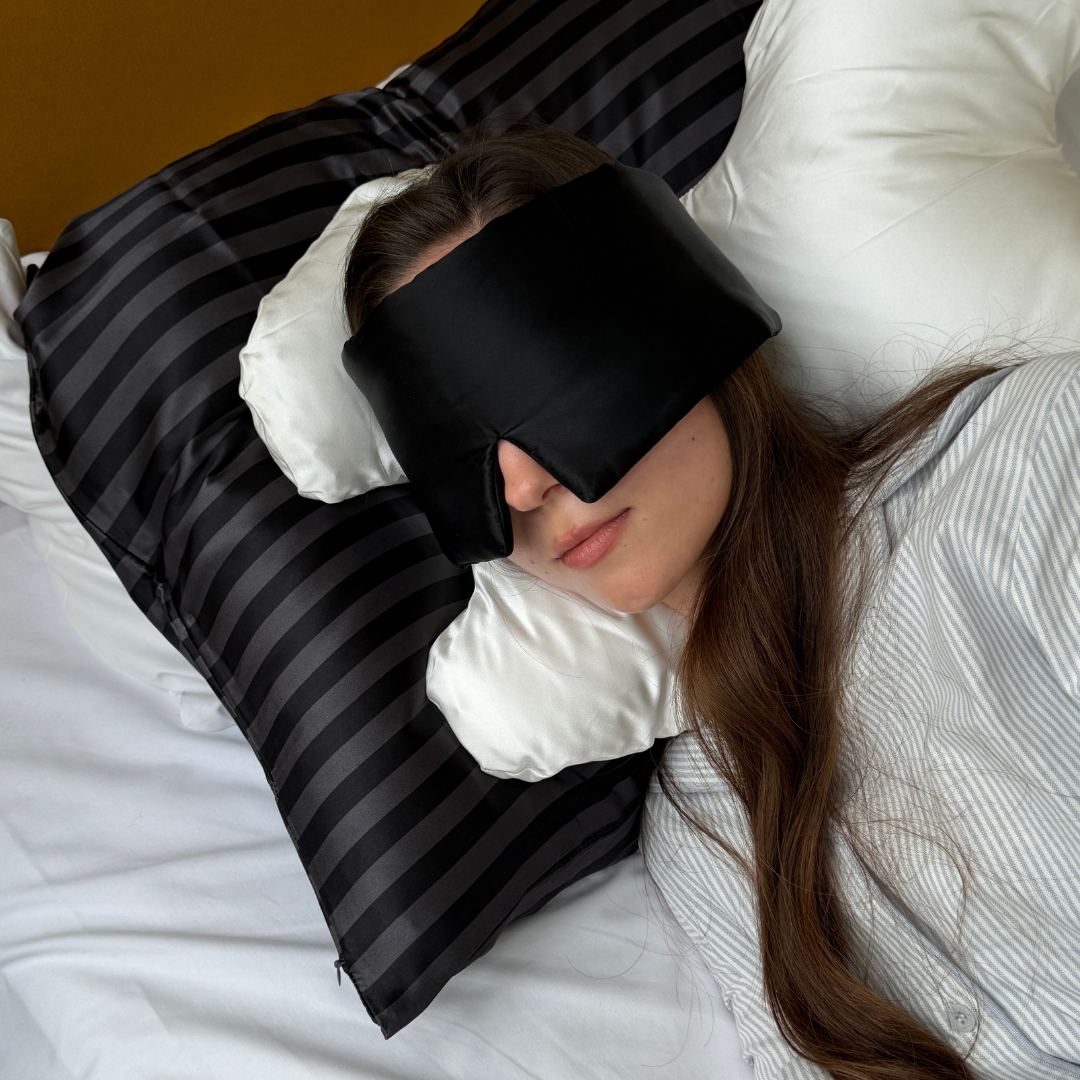
Sleep wrinkles most often occur in people who sleep on their side. When you sleep on your side, the pressure from your head is exerted on the side of your head, primarily around the eyes. Sleep wrinkles are therefore very noticeable around the eyes if you frequently sleep on your side.
What causes sleep wrinkles?
Several factors can contribute to the development of sleep wrinkles. These include:
1. Sleeping position: People who sleep on their side or stomach are more likely to develop sleep wrinkles than those who sleep on their back.
2. Pillow material: Some pillow materials, such as cotton or polyester, can be more abrasive against the skin than others, increasing the likelihood of sleep wrinkles.
3. Age: As we get older, our skin becomes less elastic and more prone to wrinkles, making sleep wrinkles more likely.
4. Genetics: Some people may be genetically predisposed to developing sleep wrinkles.
5. Smoking: Smoking can accelerate the aging process and contribute to the development of wrinkles, including sleep wrinkles.
How can you avoid sleep wrinkles?
1. Sleep on your back: Sleeping on your back can help minimise the amount of pressure placed on your face, reducing the risk of developing sleep wrinkles.
2. Use a satin or silk pillowcase: These materials are gentler on the skin and can help reduce friction and pressure.
3. Use an anti-wrinkle pillow: There are several pillows on the market specifically designed to help reduce the formation of sleep wrinkles.
3. Moisturize before bed: Keeping your skin hydrated can help prevent wrinkles from forming.
4. Quit smoking: Quitting smoking can not only help reduce the risk of developing sleep wrinkles but also has many other health benefits.